
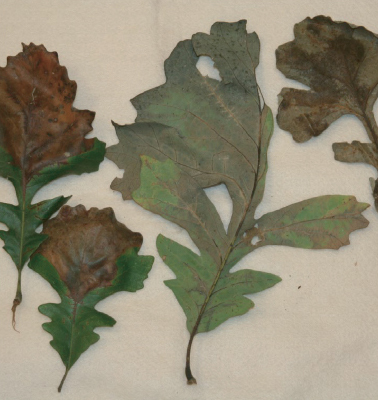
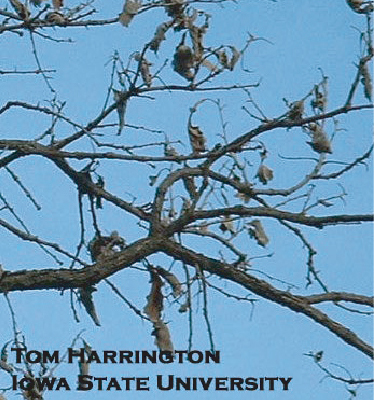
Are they turning brown, developing notched edges, or hanging on the tree through winter instead of dropping in the fall?
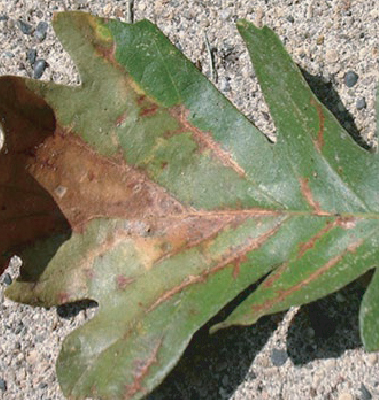
It may be from a condition called bur oak blight. This is caused by a fungus that thrives in cool, wet spring weather and infects the leaves of bur oak trees.

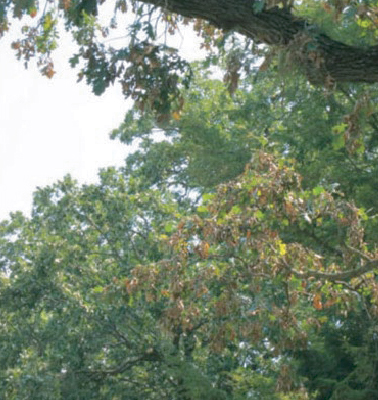
Leaves in the lower central canopy are usually infected first because that area stays cool and damp, creating ideal conditions for the fungus to spread—especially in wet, late spring weather.
Symptoms and signs include:


Fungicide treatment will provide good control for several years. Trees should fully recover.
From questions to estimate requests, contact us about your residential or commercial project.
We use cookies to improve your experience on our site. By using our site, you consent to cookies.
Manage your cookie preferences below:
Essential cookies enable basic functions and are necessary for the proper function of the website.
Statistics cookies collect information anonymously. This information helps us understand how visitors use our website.
Google Analytics is a powerful tool that tracks and analyzes website traffic for informed marketing decisions.
Service URL: policies.google.com (opens in a new window)
Google reCAPTCHA helps protect websites from spam and abuse by verifying user interactions through challenges.
Marketing cookies are used to follow visitors to websites. The intention is to show ads that are relevant and engaging to the individual user.
Facebook Pixel is a web analytics service that tracks and reports website traffic.
Service URL: www.facebook.com (opens in a new window)
You can find more information in our Cookie Policy and Privacy Policy.