How to Tell if Your Tree Was Damaged During Winter
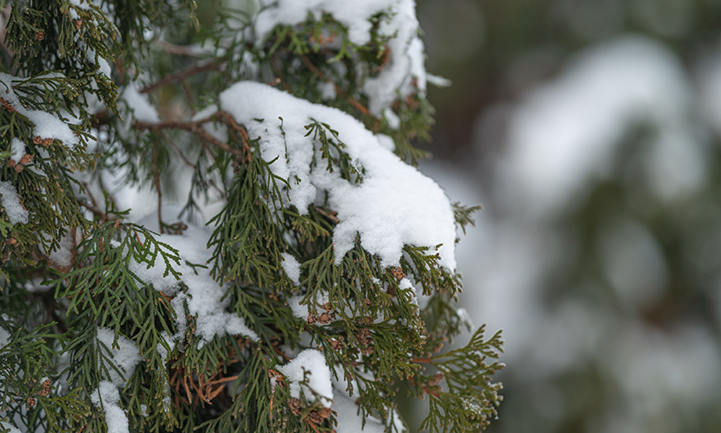
An example of snow buildup in a yew.
Minnesota winters can be tough on trees. Heavy snow, ice buildup, strong winds, and extreme cold often leave trees with hidden damage that becomes visible when temperatures begin to rise in late winter and early spring.
Knowing how to spot winter tree damage early can help prevent safety hazards and protect the long-term health of your trees.
Below are some of the most common signs that a tree may have been damaged during the winter months.
1. Broken or Hanging Branches
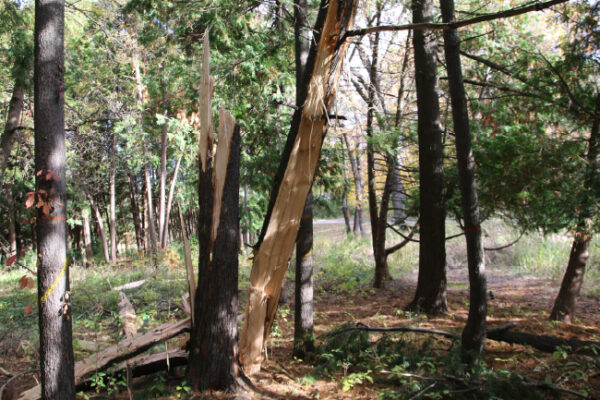
Heavy snow and ice frequently cause branches to snap or weaken.
Look for:
branches hanging loosely
cracked limbs
partially broken branches
Even if a branch hasn’t completely fallen, weakened limbs can become dangerous during spring storms.
2. Cracked or Split Tree Trunks
Rapid temperature changes during winter can cause frost cracks in tree trunks.
Signs include:
long vertical cracks in the bark
exposed wood inside the trunk
peeling bark
These cracks can weaken the tree and allow pests or disease to enter.
3. Leaning Trees
If a tree suddenly appears to lean after winter, this may indicate root damage caused by frozen soil movement or heavy snow loads.
Warning signs include:
new leaning direction
exposed roots
soil lifting near the base of the tree
A leaning tree can quickly become hazardous if the root system has been compromised.
4. Dead or Brittle Branches
Cold temperatures can cause branches to die over the winter.
You may notice:
brittle limbs that snap easily
branches that fail to produce buds in spring
gray or dry-looking wood
Removing dead wood early helps prevent falling limbs later in the season.
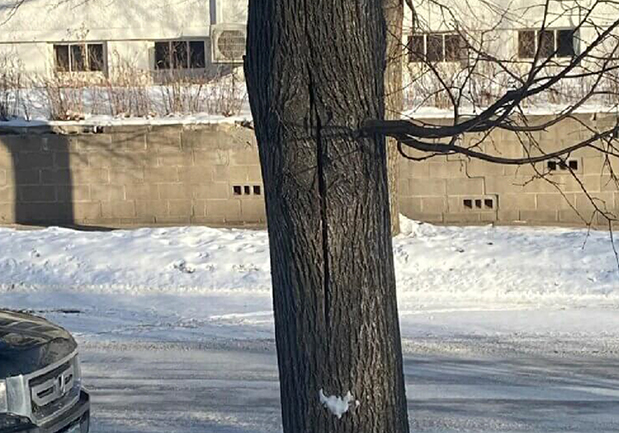
Frost crack opened on a linden trunk on Valentine’s Day during the polar vortex.
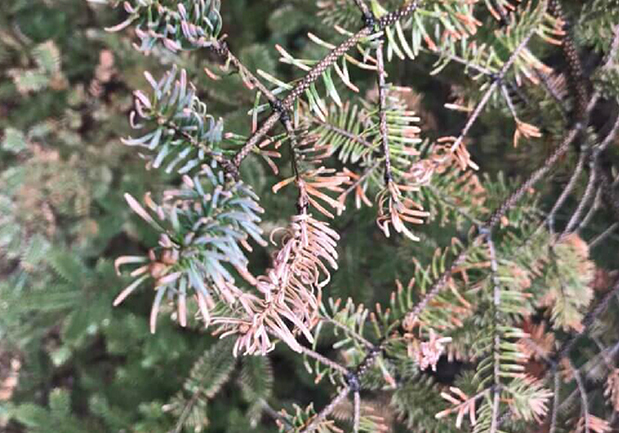
An example of winter burn on balsam fir (Abies balsamea).
Why Winter Damage Becomes Visible in Early Spring
Many types of tree damage remain hidden during the winter.
As temperatures rise and trees prepare to produce new growth, problems become easier to identify because:
snow melts and reveals broken branches
buds fail to develop on damaged limbs
bark cracks expand
trees begin to lean as soil thaws
This is why many homeowners begin noticing tree issues in March and April.
When Winter Tree Damage Becomes Dangerous
Some damage is cosmetic, but other issues can create serious safety risks.
You should contact a Vineland Tree Care arborist if you notice:
large broken branches
cracks in the main trunk
a tree leaning toward your home
limbs hanging over driveways or sidewalks
branches touching power lines
These conditions can lead to falling limbs or tree failure during spring storms.
Can Damaged Trees Recover?
In many cases, trees can recover from minor winter damage with proper pruning and care.
A Vineland Tree Care arborist can:
remove damaged limbs
improve tree structure
assess overall tree health
determine whether removal is necessary
Early evaluation from a Vineland Tree Care expert can often prevent more serious problems later.
Professional Tree Inspection in Minneapolis and the Twin Cities
If you suspect your trees may have been damaged during the winter, a professional inspection can help determine the safest next steps.
At Vineland Tree Care, our certified arborists help homeowners across Minneapolis and the Twin Cities identify winter tree damage and recommend solutions that protect both your property and your trees.
Schedule a Tree Inspection
Concerned about winter damage to your trees?
Contact Vineland Tree Care to schedule a professional evaluation and ensure your trees are safe and healthy heading into spring.
FAQ Section
How do you know if a tree was damaged by winter?
Signs of winter tree damage include broken branches, cracked trunks, leaning trees, and limbs that fail to produce buds in spring.
Can snow damage kill a tree?
Yes. Heavy snow and ice can break branches, weaken trunks, and damage root systems. Severe damage may require professional pruning or tree removal.
When should I call an arborist after winter?
Yes. Broken or weakened branches should be removed because they can fall and cause injury or property damage.
Should damaged tree branches be removed?
If you notice large cracks, leaning trees, hanging limbs, or dead branches after winter, it’s best to contact a certified rborist for an inspection.