Arborist Blog

Spring Tree Care Checklist for Minnesota Homeowners

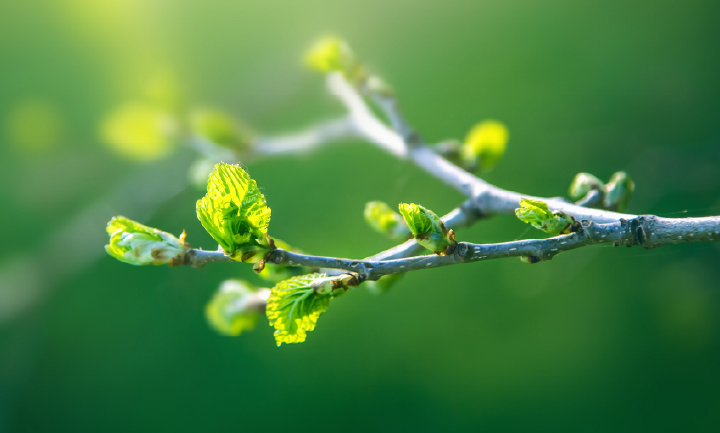
Tree buds

What is Spring Tree Care in Minnesota?

Spring tree care in Minnesota involves inspecting trees for winter damage, pruning dead or hazardous branches, checking for pests and diseases, applying mulch, watering appropriately, and consulting an ISA-certified arborist when necessary.

This process helps trees recover from winter stress, prevents safety hazards, and supports healthy growth throughout the year.

Spring Tree Care Checklist (Step-by-Step)

  1. Inspect trees for winter damage
  2. Prune dead or hazardous branches
  3. Check for pests and diseases
  4. Apply mulch around the base of trees
  5. Water trees as needed
  6. Evaluate soil and root health
  7. Contact Vineland for a visit from an ISA-certified arborist

Why Spring Tree Care Is Important in Minnesota

Minnesota winters expose trees to snow load, ice accumulation, freezing temperatures, and wind stress. Spring maintenance helps prevent branch failure, reduce the spread of disease and pests, and improve long-term tree health.

Inspect Trees for Winter Damage

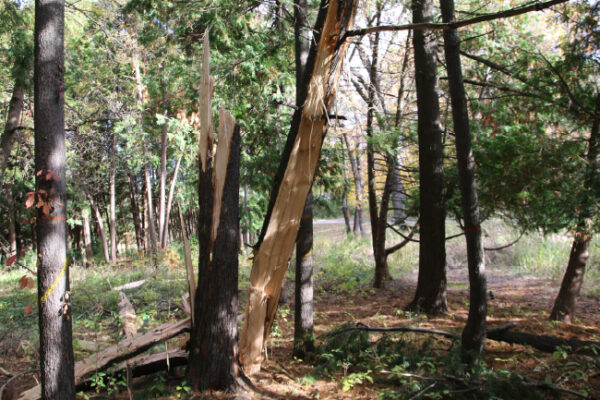
After snow and ice melt, trees should be evaluated for structural issues.

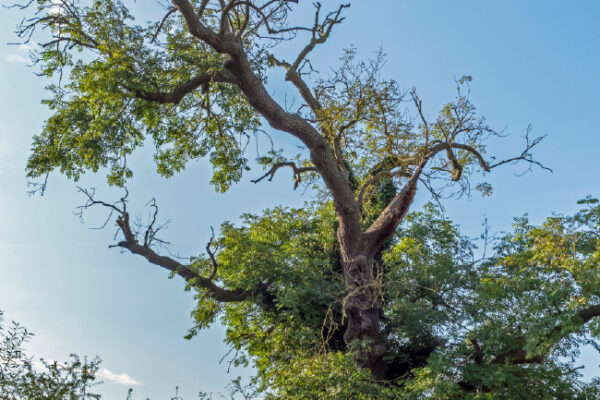
Common signs of damage include:

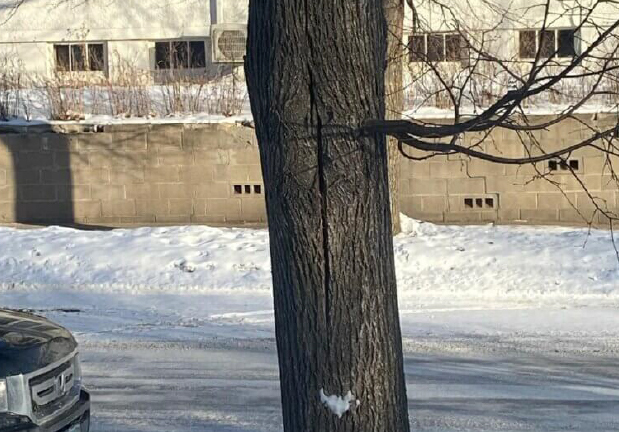
  • Cracked, split, or hanging branches
  • Leaning or unstable trees
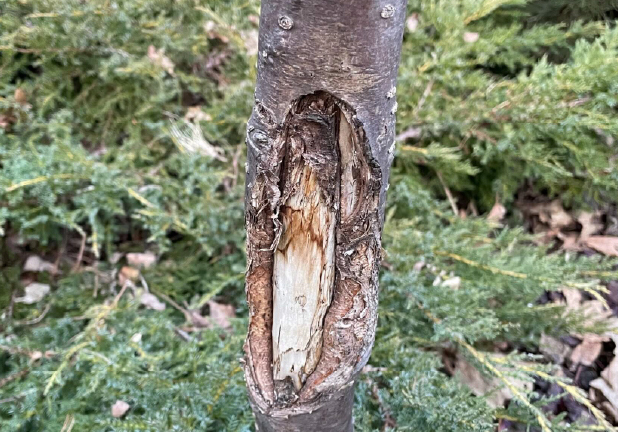
  • Bark splitting or peeling
  • Limbs positioned over structures or walkways

Damaged trees can become hazardous, especially during spring storms.

If structural damage is present, one of Vineland’s ISA-certified arborists should assess the tree.

Prune Dead or Hazardous Branches

Pruning removes weak or damaged limbs and improves overall tree stability.

Best practices:

  • Remove dead, diseased, or broken branches
  • Eliminate crossing or rubbing limbs
  • Avoid removing more than 25% of the canopy

Oak trees should not be pruned in spring due to the risk of oak wilt disease.

For large trees or branches near structures, professional pruning is recommended. Services from Vineland Tree Care can help ensure safe and effective pruning.

Check for Pests and Tree Diseases

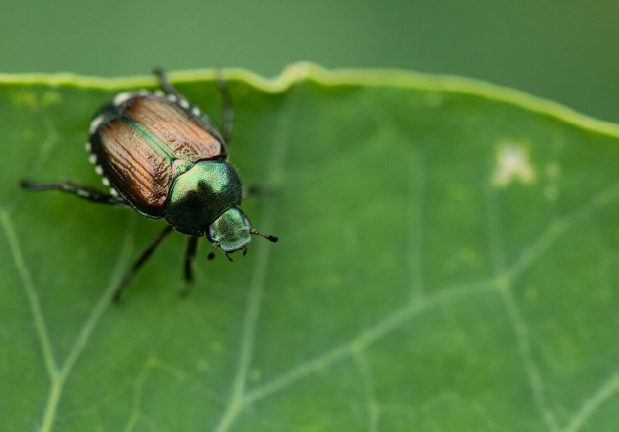
Warmer temperatures increase insect activity and disease spread. Common Minnesota tree issues include:

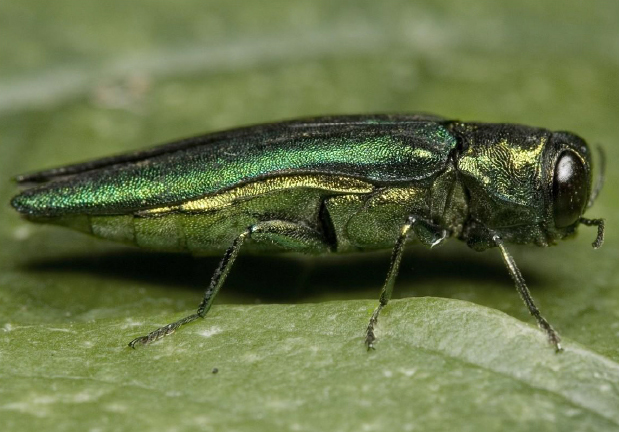
  • Emerald ash borer
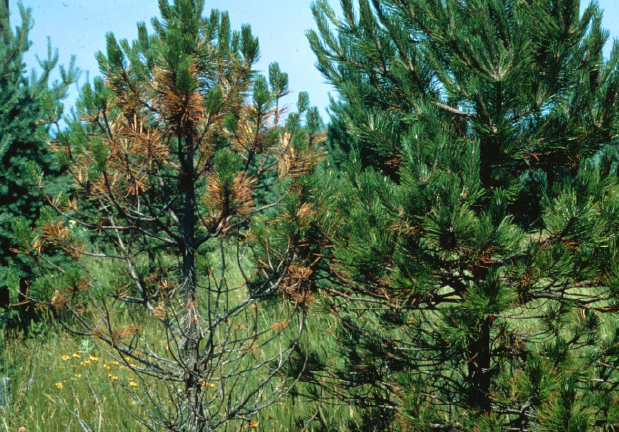
  • Oak wilt
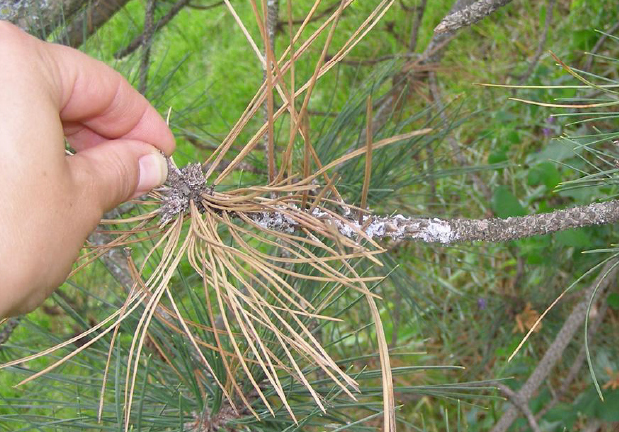
  • Fungal leaf diseases

Warning signs include:

  • Small holes in bark
  • Discolored or thinning leaves
  • Early leaf drop
  • Sawdust-like material near the base

Early detection improves treatment success.

Professional diagnosis from Vineland’s ISA-certified arborists and treatment can help prevent permanent damage.

Apply Mulch Correctly

Mulch helps regulate soil temperature, retain moisture, and protect roots.

How to apply mulch:

  • Use 2 to 4 inches of organic mulch
  • Keep mulch away from the trunk
  • Extend mulch to the drip line when possible

Improper mulching can lead to root and trunk damage over time.

Water Trees as Needed

Trees often enter spring with low moisture levels despite snow melt.

Watering guidelines:

  • Newly planted trees: water once per week
  • Established trees: water during dry periods
  • Avoid overwatering or poorly drained soil

Proper watering supports recovery and healthy growth

Evaluate Soil and Root Health

Root conditions directly affect tree stability and nutrient uptake.

Check for:

  • Compacted soil
  • Poor drainage
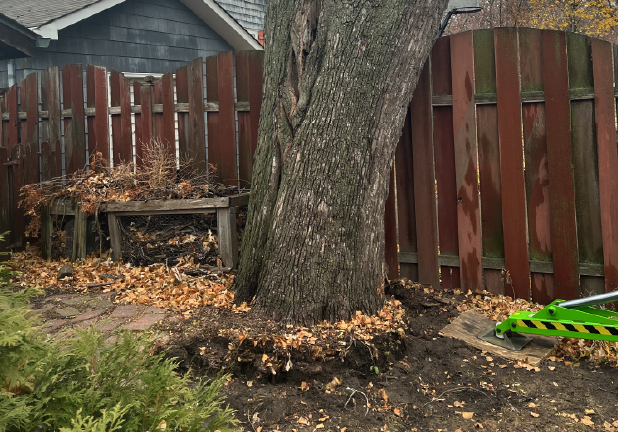
  • Exposed or buried root flares

Healthy soil improves oxygen availability and long-term tree vitality.

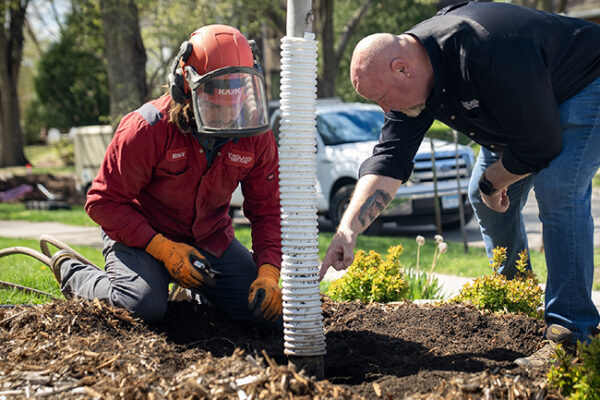
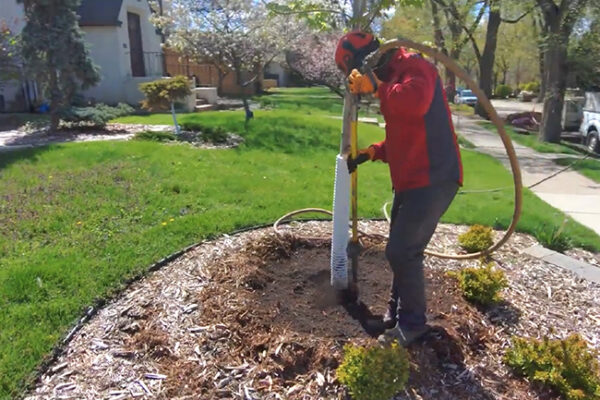
Services such as soil aeration and root collar excavation can improve root conditions.

When to Call an ISA-Certified Arborist from Vineland

Certain tree care tasks require professional expertise and equipment.

Contact an ISA-certified arborist from Vineland for:

  • Large tree pruning
  • Tree removal
  • Disease diagnosis and treatment
  • Storm damage assessment

Homeowners can work with Vineland Tree Care for professional tree care services.

FAQ: Spring Tree Care in Minnesota

When should spring tree care begin in Minnesota
Spring tree care should begin after snow melt when temperatures remain above freezing, typically between March and April.
Yes, for most species. However, oak trees should not be pruned in spring due to oak wilt risk.
New trees should be watered weekly, while established trees typically require watering every 2 to 3 weeks depending on rainfall.
Signs include large dead branches, leaning structure, trunk cracks, and visible root damage.

Key Takeaways

  • Spring is the most important season for preventative tree care in Minnesota
  • Early inspection and pruning reduce safety risks
  • Pest and disease management is most effective when caught early
  • Proper watering, mulching, and soil care support long-term health
  • Professional arborists from Vineland Tree Care are recommended for large or high-risk trees

Professional Tree Care in Minnesota

Proper spring tree care helps protect property, improve tree longevity, and reduce future costs For expert pruning, inspections, or tree health services, homeowners can contact Vineland Tree Care.

Recent Blogs

Contact Our Experts

From questions to estimate requests, contact us about your residential or commercial project.