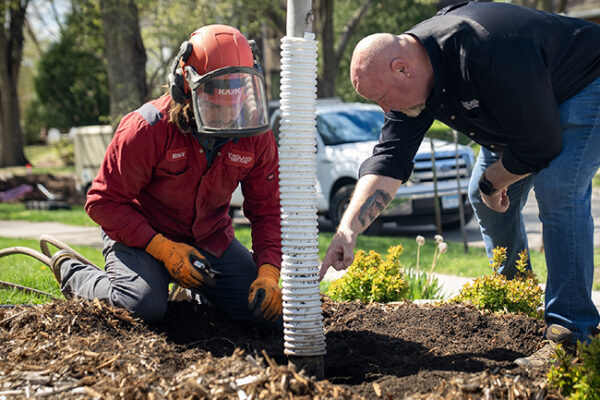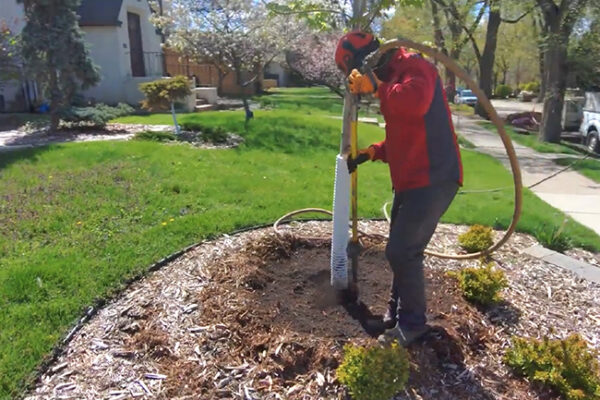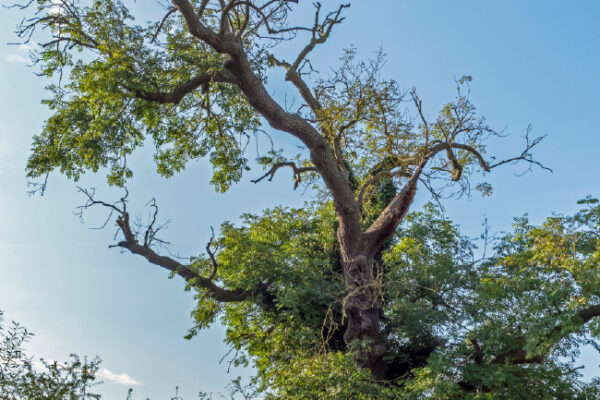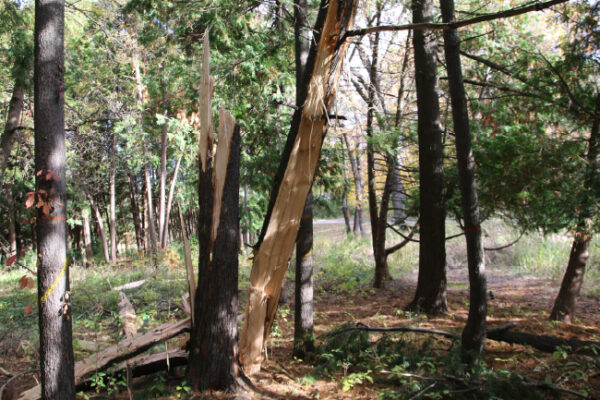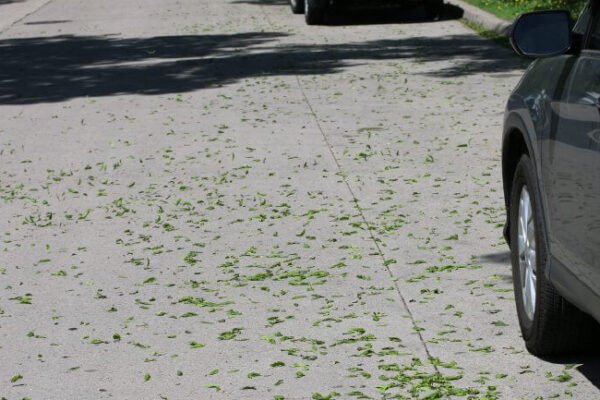
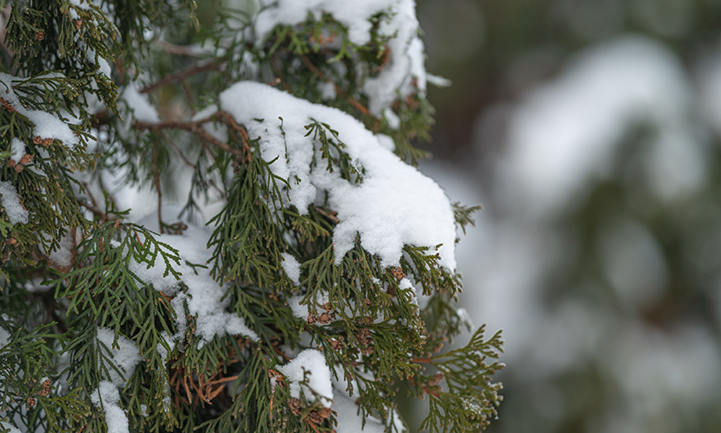
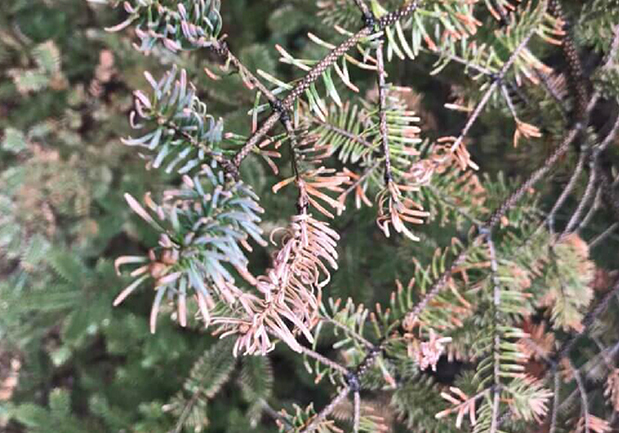
Minnesota winters can be tough on trees. Heavy snow, ice buildup, strong winds, and extreme cold often leave trees with hidden damage that becomes visible when temperatures begin to rise in late winter and early spring.
Knowing how to spot winter tree damage early can help prevent safety hazards and protect the long-term health of your trees.
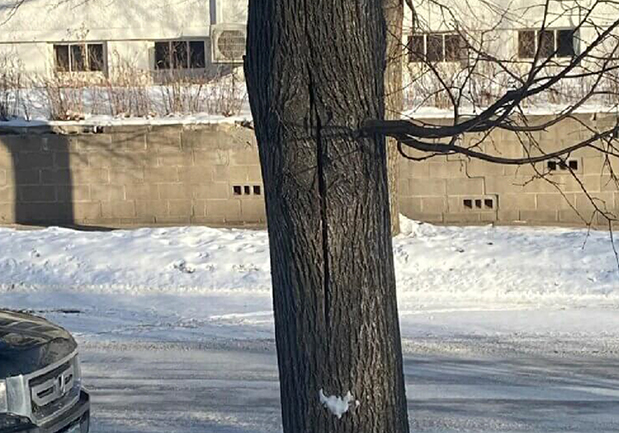
Below are some of the most common signs that a tree may have been damaged during the winter months.
From questions to estimate requests, contact us about your residential or commercial project.
We use cookies to improve your experience on our site. By using our site, you consent to cookies.
Manage your cookie preferences below:
Essential cookies enable basic functions and are necessary for the proper function of the website.
Statistics cookies collect information anonymously. This information helps us understand how visitors use our website.
Google Analytics is a powerful tool that tracks and analyzes website traffic for informed marketing decisions.
Service URL: policies.google.com (opens in a new window)
Google reCAPTCHA helps protect websites from spam and abuse by verifying user interactions through challenges.
Marketing cookies are used to follow visitors to websites. The intention is to show ads that are relevant and engaging to the individual user.
Facebook Pixel is a web analytics service that tracks and reports website traffic.
Service URL: www.facebook.com (opens in a new window)
You can find more information in our Cookie Policy and Privacy Policy.