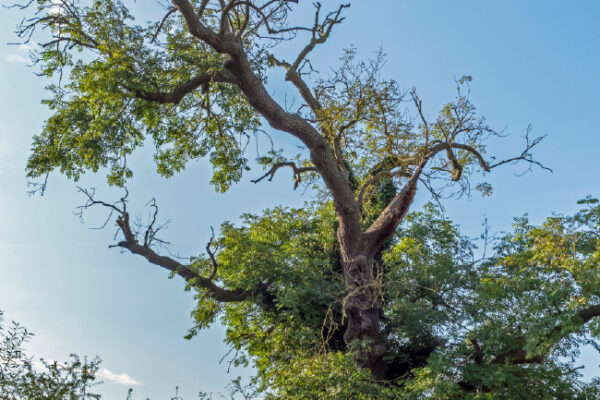
Many homeowners assume tree problems start above ground — dead branches, thinning leaves, or slow growth. But in many cases, the real issue starts underground.
Soil compaction is one of the most common hidden causes of declining tree health in Minnesota. When soil becomes too dense, tree roots struggle to access oxygen, water, and nutrients. Over time, this can weaken trees, slow growth, and increase the risk of disease or decline.
In Minnesota, soil compaction is especially common in urban and suburban yards, construction areas, and properties with heavy clay soil.
Below, we’ll explain what soil compaction is, how it affects trees, and what homeowners can do to help protect tree root health.
Soil compaction happens when soil particles become compressed together, reducing the space available for air, water, and root growth.
Healthy soil contains small pockets of space that allow:
When soil becomes compacted, those spaces disappear.
As a result, tree roots can become stressed, restricted, or damaged over time.
Soil compaction often develops gradually, so homeowners may not notice the problem right away.
Common signs include:
Many homeowners simply assume their tree is “struggling,” when the issue may actually be below ground.
Tree roots need oxygen, moisture, and room to expand.
Compacted soil can interfere with all three.
Over time, compacted soil may:
As roots weaken, trees often become more vulnerable to:
Because the damage happens underground, symptoms may not appear until the tree is already stressed.
Soil compaction is especially common throughout Minnesota because of several regional factors.
Many Minnesota properties naturally contain dense clay soil, which compacts more easily than loose, sandy soil.
Minnesota’s changing temperatures can repeatedly expand and compress soil throughout the year.
New construction often involves:
This can severely compact soil around both existing and newly planted trees.
Frequent mowing, landscaping equipment, and even consistent foot traffic around trees can gradually compact soil over time.
In many cases, yes — especially if the problem is identified early.
The sooner soil compaction is addressed, the better the chances of improving tree health and preventing long-term damage.
Treatment options may include:
Vineland’s ISA-Certified Arborists can evaluate the extent of the compaction and recommend the best solution based on the tree species, soil conditions, and overall health of the tree.
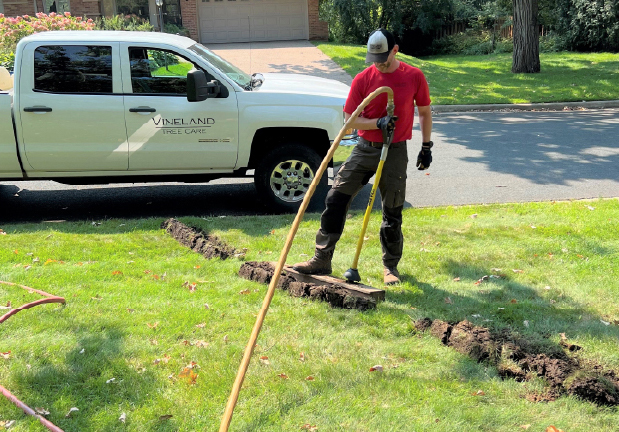
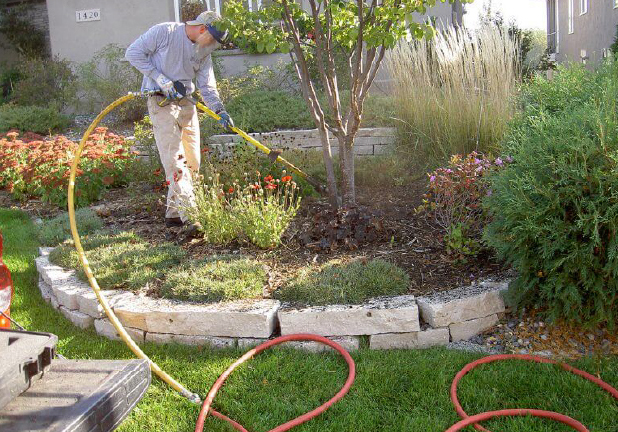
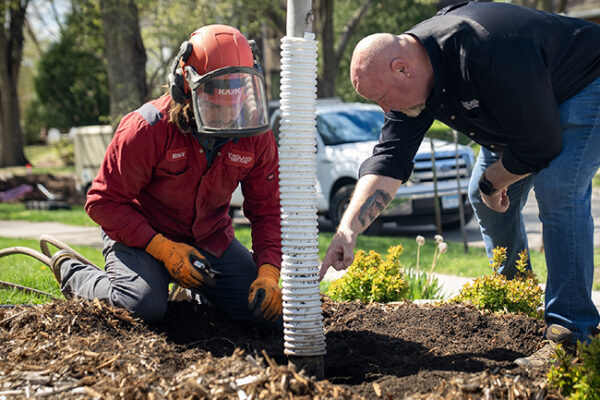
ISA-Certified Arborists from Vineland use several methods to improve soil conditions and protect tree roots.
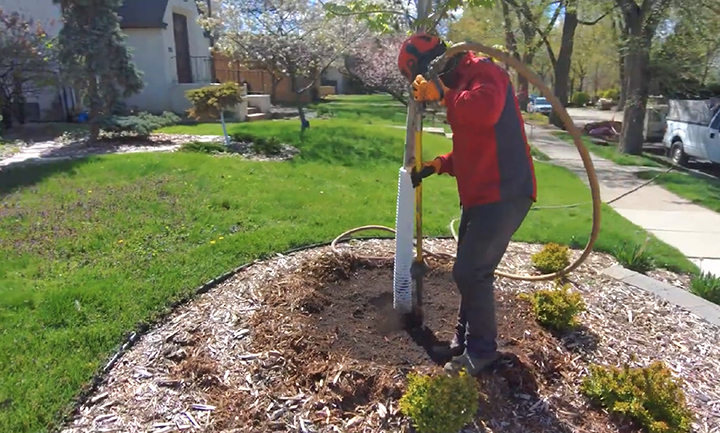
Aeration helps loosen compacted soil and improve oxygen flow to the root system. This is done by operating tools that use compressed air to safely break up compacted soil without damaging roots.
Applying mulch in a 2- to 5-foot radius around the tree helps:
In some cases, Vineland’s arborists may expose buried root flare areas to improve root health and identify additional issues such as girdling roots.
Healthy trees start with healthy roots.
Even when a tree looks fine above ground, soil issues may already be affecting its long-term health and stability. Addressing soil compaction early can help trees:
For homeowners investing in mature trees and landscaping, protecting root health is one of the most important long-term maintenance steps.
At Vineland Tree Care, our ISA-Certified Arborists and Board-Certified Master Arborists help homeowners throughout Minneapolis and the Twin Cities identify hidden tree health issues — including soil compaction and root stress.
Using professional plant healthcare and soil management techniques, we help improve growing conditions and support long-term tree health.
If your trees appear stressed, declining, or slow to grow, our team can evaluate whether soil compaction may be contributing to the problem.
Concerned about compacted soil or declining trees?
Contact Vineland Tree Care to schedule a professional tree health assessment from one of our ISA-Certified Arborists and learn how proper soil care can protect your landscape for years to come.
From questions to estimate requests, contact us about your residential or commercial project.
We use cookies to improve your experience on our site. By using our site, you consent to cookies.
Manage your cookie preferences below:
Essential cookies enable basic functions and are necessary for the proper function of the website.
Statistics cookies collect information anonymously. This information helps us understand how visitors use our website.
Google Analytics is a powerful tool that tracks and analyzes website traffic for informed marketing decisions.
Service URL: policies.google.com (opens in a new window)
Google reCAPTCHA helps protect websites from spam and abuse by verifying user interactions through challenges.
Marketing cookies are used to follow visitors to websites. The intention is to show ads that are relevant and engaging to the individual user.
Facebook Pixel is a web analytics service that tracks and reports website traffic.
Service URL: www.facebook.com (opens in a new window)
You can find more information in our Cookie Policy and Privacy Policy.