
Fall Tree Fertilization & Soil Health in the Twin Cities
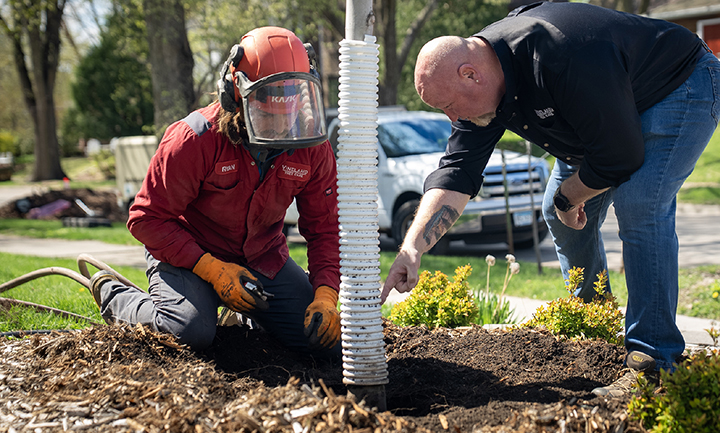
Fall Tree Soil Health & Soil Nutrient Management in the Twin Cities Healthy trees start below ground. Across the Twin Cities, urban and suburban trees can enter fall stressed by summer heat, drought, compacted soil, and restricted root systems. Fall is an important time to evaluate soil and root health and determine whether targeted plant healthcare can help prepare trees for […]
How Soil Compaction Can Slowly Kill Trees
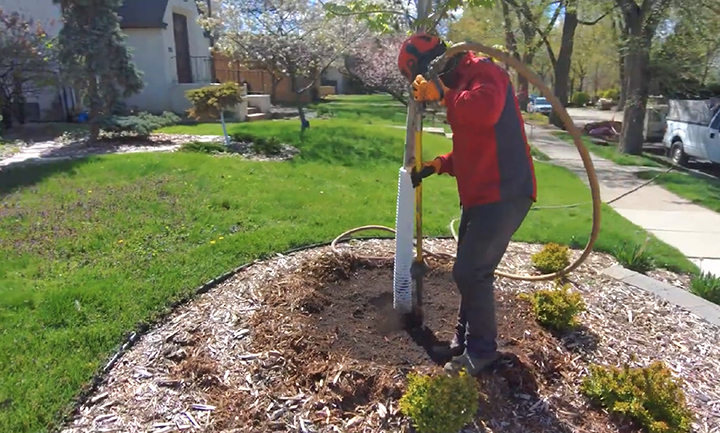
Many homeowners assume tree problems start above ground — dead branches, thinning leaves, or slow growth. But in many cases, the real issue starts underground. Soil compaction is one of the most common hidden causes of declining tree health in Minnesota. When soil becomes too dense, tree roots struggle to access oxygen, water, and nutrients. […]
How to Tell if Your Tree Is Healthy or Dying
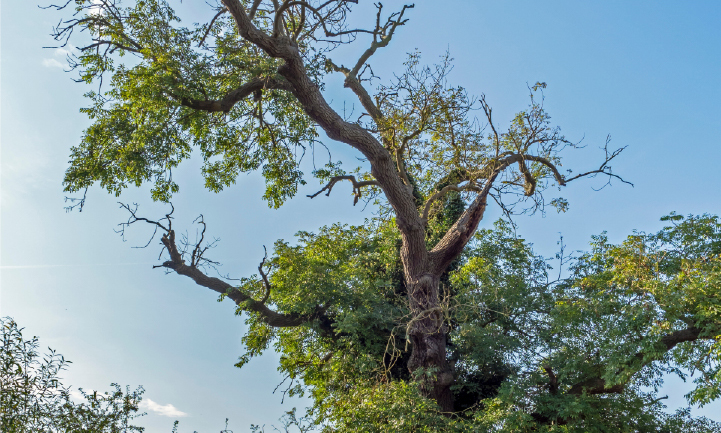
Trees add beauty, shade, and value to your property—but when a tree starts to decline, it can quickly become a safety hazard. A tree may be dying if it shows signs like brittle branches, missing leaves during the growing season, peeling bark, or fungus growing near the base. In Minnesota, extreme winters, pests, and disease […]
Spring Tree Care Checklist for Minnesota Homeowners
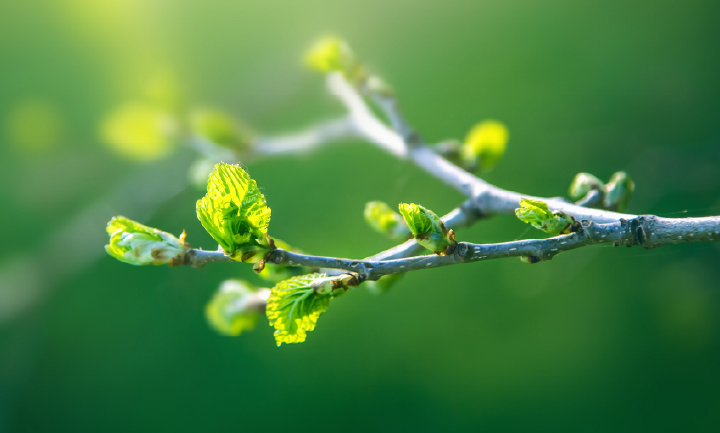
What is Spring Tree Care in Minnesota? Spring tree care in Minnesota involves inspecting trees for winter damage, pruning dead or hazardous branches, checking for pests and diseases, applying mulch, watering appropriately, and consulting an ISA-certified arborist when necessary. This process helps trees recover from winter stress, prevents safety hazards, and supports healthy growth throughout […]
How to Tell if Your Tree Was Damaged During Winter
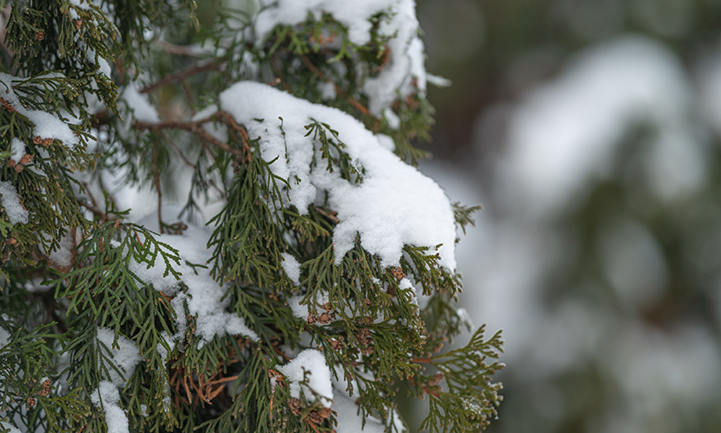
Snow and ice can damage trees during Minnesota winters. Learn the signs of winter tree damage, when branches become dangerous, and when to call an arborist.
Lightning Strike
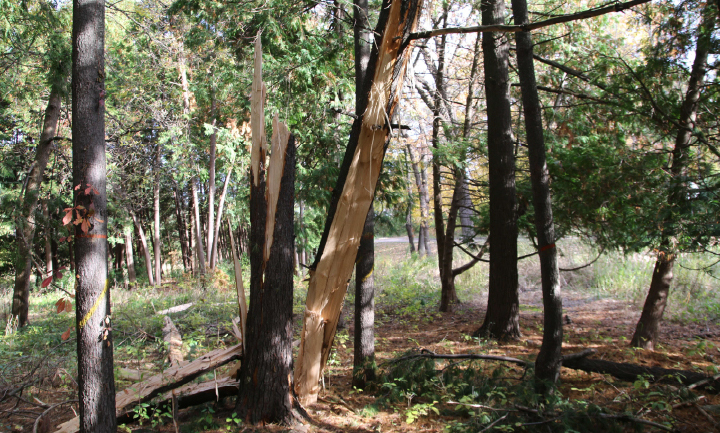
One of my favorite weather forecasting websites is Weather Bug. Like most forecasting, it’s not always correct but it gives a rough idea. It’s Spark component shows where lightning is active and how far away it is. One of our customer’s white pine had a very close encounter with lightning. This tree is roughly 18” […]
Ash Anthracnose
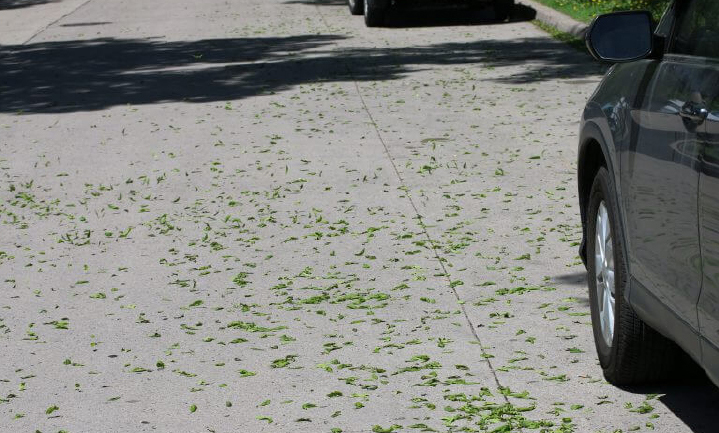
Anthracnose is a catch-all phrase to describe leaf and shoot disease on many types of trees and shrubs. In green ash trees, anthracnose appears, usually in the spring, as sudden leaf loss. A wet spring, along with the presence of the fungus, contributes to anthracnose severity. Fallen leaves are usually smaller — they may have […]
What is Soil Fertility and Why Does It Matter?
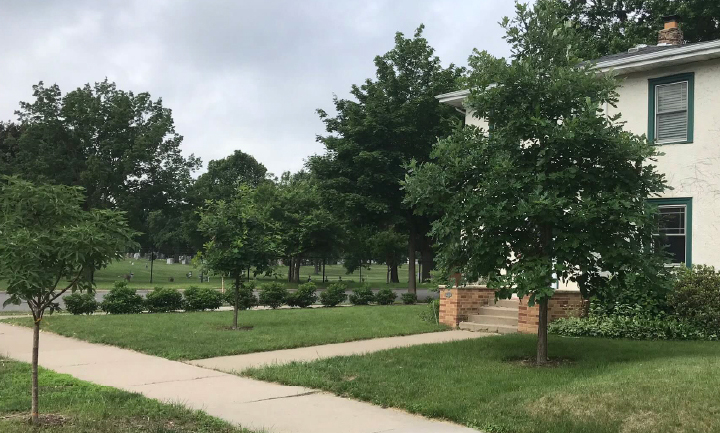
When caring for trees, we often focus our efforts on what we can see: the canopy. Pruning is an important tool to manage trees but ignoring what’s happening below ground is leaving out half the picture. Tree roots are the living, breathing, resource collecting first step in the process of photosynthesis. Ensuring they have everything […]
Hey, What’s Wrong With My Aspen?
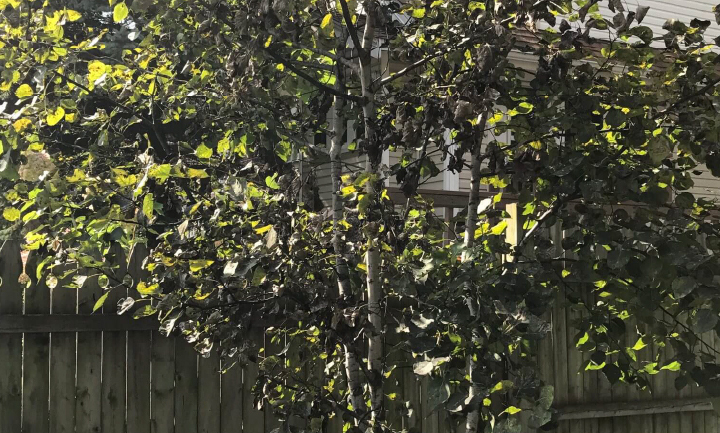
My aspen is really looking sick. It was fine thru July and then started turning black. Would you take a look and let me know what you suggest? It’s definitely not a watering issue. The leaf blackening is caused by a non-lethal fungal leaf disease called marsonina. It is usually a problem seen in the […]
Frost Cracks Explained
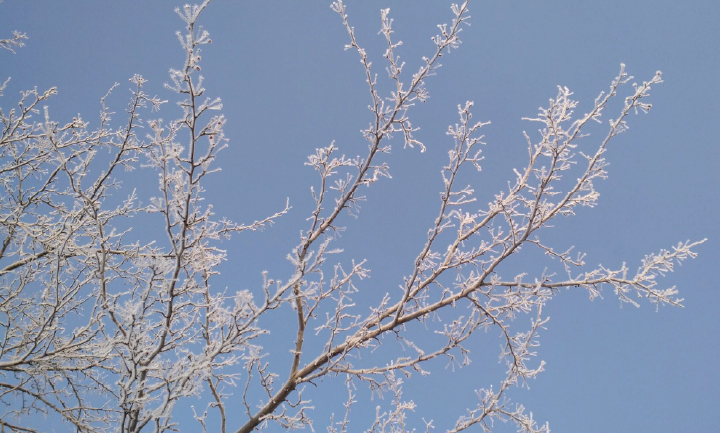
An ISA Board Certified Master Arborist explains frost cracks. Here in the frozen North, we pride ourselves on our hardiness and ability to embrace the winter. Whether indoors or out, we have all developed adaptations that help us get through the cold and dark. Our native trees and shrubs are no different, having evolved over […]