Arborist Blog

Why Do I Need to Prune Oaks During Winter?

WHY DO I NEED TO PRUNE OAKS DURING WINTER?

As the days get longer, spring starts to feel like it might be around the corner. Seasonal birds return, the sun’s warmth comes back, and snowbanks recede. After the long slumber of winter, trees will be hectic soon. After the thaw, insects will be too. Trees and insects have a long and complicated relationship that spans the gamut of good, bad, and ugly.

Some insects form symbiotic relationships with trees, helping with pollination in exchange for nutrients. Some insects devour tree tissue (usually leaves) as food, acting as parasites. Yet other insects may take advantage of sap oozing from wounds. This is the case with the oak picnic beetle. This commensal feeding doesn’t harm the host tree but can expose it to oak wilt spores if the beetle visits an infected tree.

What is oak wilt?

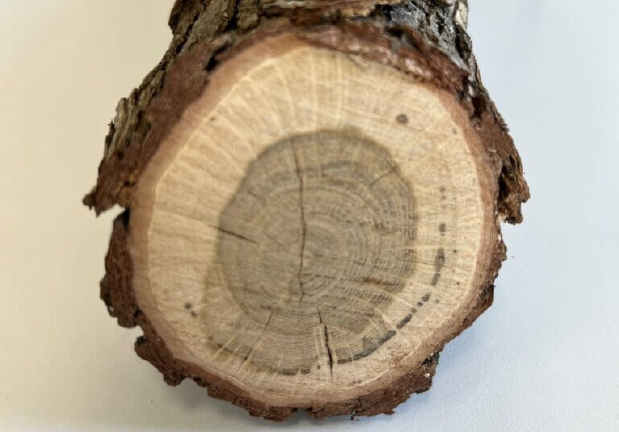
Oak wilt is a fungal infection that can affect all oak trees. The fungus invades the xylem tissue, called sapwood. This layer of tissue under the bark is full of water-conducting vessels. Vessels form the pipelines, allowing the leaves to draw water from the roots and into the canopy.

Oak wilt can clog these vessels, but the tree itself is the leading cause of oak wilt decline. The tree plugs vessels to stop the spread of the fungus, stopping the flow of water to the leaves. This is like the captain of the Titanic ordering bulkheads shut. To save the ship, you must sacrifice some areas. But like with the continued flooding of the Titanic, oak wilt is able to break through the tree’s barriers. The cycle of closing vessels continues until there is no connection between the leaves and roots. This causes the tree to wilt and die, often in a few weeks.

How does oak wilt spread?

Like Dutch elm disease, oak wilt spreads in two ways: via root grafts or an insect vector. For now, we will focus on the insect vector and what we can do to mitigate risk.

Oak picnic beetles are often called nitidulid beetles in scientific literature. Nitidulid beetles feed on the sap that will ooze for a short period of time from fresh wounds. Minor wounds caused by wind-breaking twigs, animals, hail damage, etc., happen in all trees. This provides ample food for nitidulids, but they also move from tree to tree. When a beetle feeds on a tree infected with oak wilt, it may pick up oak wilt spores, which it can then carry to another tree.

What can we do?

There are three main ways we can reduce the likelihood of a tree getting oak wilt:

  1. Good sanitation of infected trees to reduce disease pressure.
    Good sanitation practices consist of cutting down diseased trees and disposing of infected tissue. To dispose of infected tissue, transport the debris to a wood waste site or process it on-site. You should chip or burn the brush if you’re processing it on-site. Logs should be stacked and covered with a 4-6 mil clear plastic tarp, with all edges buried to seal the tarp.
  2. Not wounding oaks during the time when beetles are active.
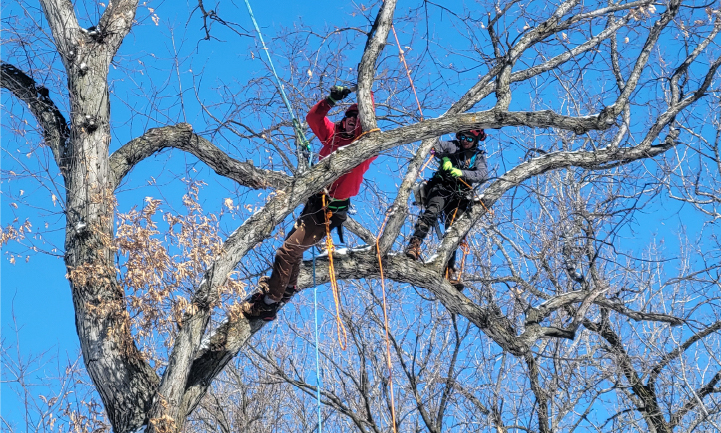
    We limit elective pruning of oak trees to the Safe period per the UMN Extension Service. This period usually runs from November to March, depending on weather conditions. Per UMN guidelines: “During the Safe period, oak trees can be pruned without risk to the tree. There is no risk that an oak can become infected with oak wilt by over-land transmission of the fungus.” Timing pruning is the easiest way our arborists can reduce oak wilt risk.
  3. Immediately coating wounds that must be made while beetles are active with clear shellac or paint.
    In situations when we need to cut an oak tree during the non-dormant season, we paint the wound. This is the only time we will apply anything to a pruning cut. In general, exposed cuts seal and compartmentalize faster. With oaks, the risk of oak wilt outweighs the drawbacks of applying a coating.


Vineland Tree Care holds space in March every year for last-minute oak pruning. If you have an oak tree that you would like pruned this season, contact our ISA Certified Arborists and Board-Certified Master Arborists to schedule an estimate. For more information about oak wilt, see this page from the UMN Extension Service.

Recent Blogs

Contact Our Experts

From questions to estimate requests, contact us about your residential or commercial project.