
How Soil Compaction Can Slowly Kill Trees
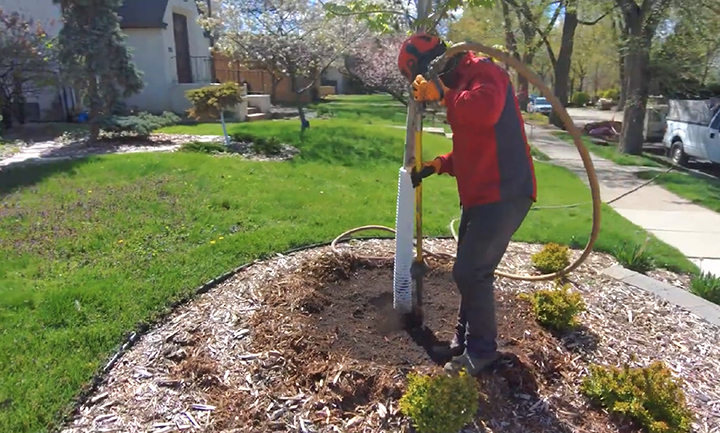
Many homeowners assume tree problems start above ground — dead branches, thinning leaves, or slow growth. But in many cases, the real issue starts underground. Soil compaction is one of the most common hidden causes of declining tree health in Minnesota. When soil becomes too dense, tree roots struggle to access oxygen, water, and nutrients. […]
How to Tell if Your Tree Is Healthy or Dying
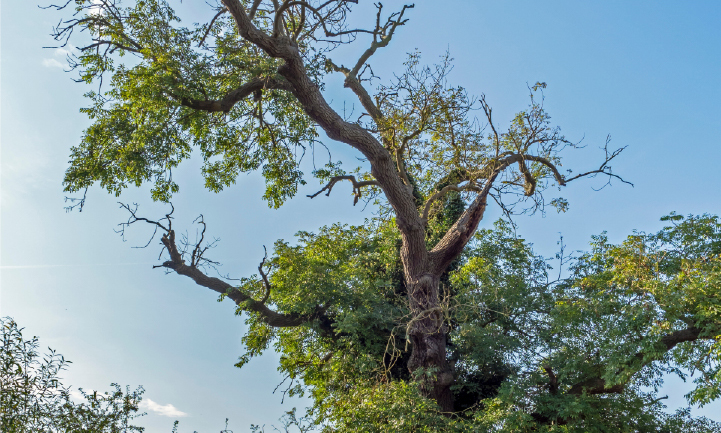
Trees add beauty, shade, and value to your property—but when a tree starts to decline, it can quickly become a safety hazard. A tree may be dying if it shows signs like brittle branches, missing leaves during the growing season, peeling bark, or fungus growing near the base. In Minnesota, extreme winters, pests, and disease […]
Spring Tree Care Checklist for Minnesota Homeowners
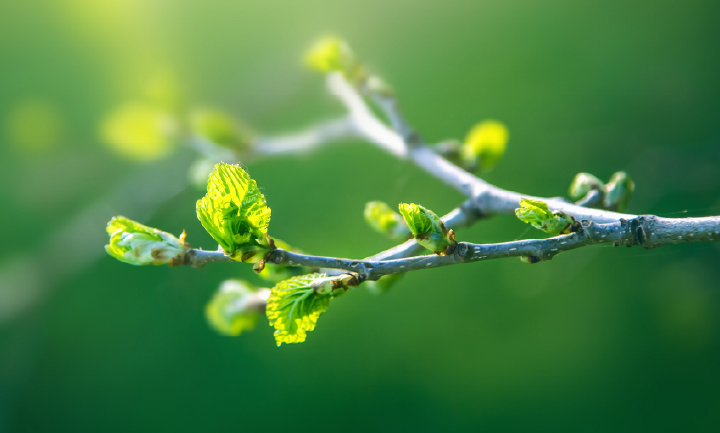
What is Spring Tree Care in Minnesota? Spring tree care in Minnesota involves inspecting trees for winter damage, pruning dead or hazardous branches, checking for pests and diseases, applying mulch, watering appropriately, and consulting an ISA-certified arborist when necessary. This process helps trees recover from winter stress, prevents safety hazards, and supports healthy growth throughout […]
How to Tell if Your Tree Was Damaged During Winter
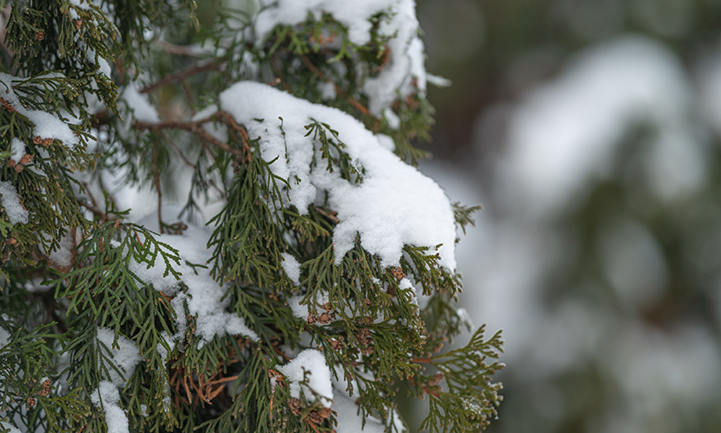
Snow and ice can damage trees during Minnesota winters. Learn the signs of winter tree damage, when branches become dangerous, and when to call an arborist.
Bur Oak Blight
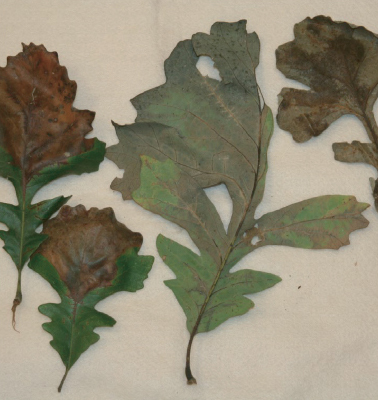
Have you noticed black spots on oak leaves? Are they turning brown, developing notched edges, or hanging on the tree through winter instead of dropping in the fall? It may be from a condition called bur oak blight. This is caused by a fungus that thrives in cool, wet spring weather and infects the leaves […]
Cedar-Quince Rust
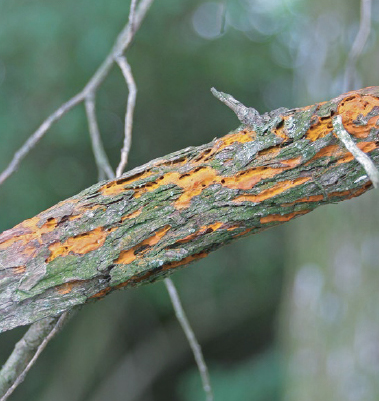
Do you have bright orange, gooey, or spiky growths on your cedar or juniper trees? It may be from a condition known as cedar-quince rust. Small, pale-yellow spots appear on leaves that enlarge and turn orange-red over time. The Problem Cedar-quince rust spreads when galls on junipers release spores in the spring, which are carried […]
Diplodia Shoot Blight
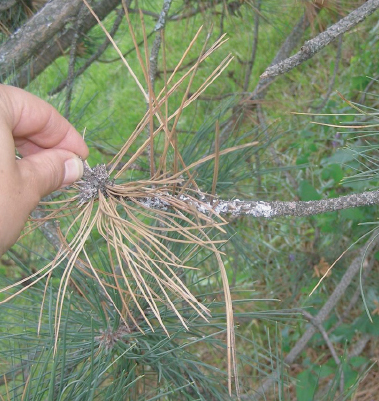
Have you noticed spring dieback in tree shoots or whole branches slowly declining over time? This could be a sign of a diplodia shoot blight. The Problem This disease spreads in spring when spores infect newly expanding shoots. While healthy trees can often stop the infection early, stressed trees may experience more serious damage over […]
Gall Wasps
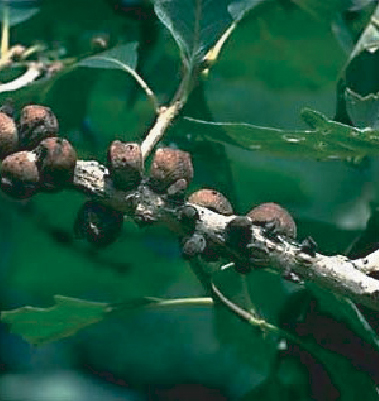
Have you noticed bumps on oak tree leaves or swellings on twigs or leaves—especially along the midrib of the leaves? Your oak tree may have gall wasps. The Problem Gall wasps lay eggs in twigs or leaves, causing the tree to form protective galls around the larvae. Some larvae live inside twig galls for 2–3 […]
Iron and Manganese Chlorosis
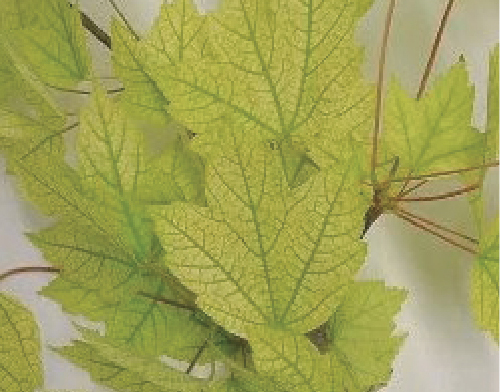
Do the leaves on your tree seem more yellow these days? It may be from a condition known as iron and manganese chlorosis, where leaves yellow because of the destruction of chlorophyll and/or the lack of its production. The Problem Iron and manganese chlorosis reduces chlorophyll in leaves of affected trees due to insufficient iron […]
Magnolia Scale
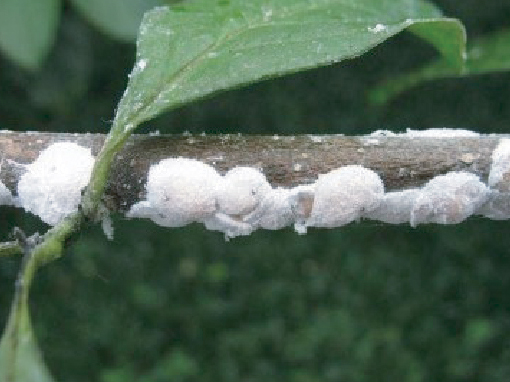
Have you noticed sticky leaves and sooty mold on magnolia tree twigs? It may be from a condition known as magnolia scale. It may also cause fewer or smaller flowers and leaves than what you usually enjoy. The Problem Dark gray nymphs overwinter, creating a red-brown median ridge on older twigs. Females give birth to […]